
The Ultimate Guide to Groundworks and Excavation in the UK

Introduction to Groundworks and Excavation
The construction industry in the UK relies heavily on effective groundworks and excavation. These processes form the backbone of any building project, providing the necessary groundwork for foundations, utilities, and landscaping. Understanding the intricacies of these tasks is crucial for ensuring successful and safe project completion.

What is Groundworks?
Groundworks involve preparing the land for construction. This includes a range of activities such as clearing the site, laying foundations, installing drainage systems, and connecting utilities. The goal is to create a stable base for any structure, ensuring longevity and safety.
Key Components of Groundworks
Groundworks can be broken down into several key components:
- Site Clearance: Removing any vegetation, debris, or existing structures.
- Foundations: Laying concrete or other materials to support the structure.
- Drainage: Installing systems to manage water flow and prevent flooding.
- Utilities: Connecting essential services like water, gas, and electricity.
Understanding Excavation
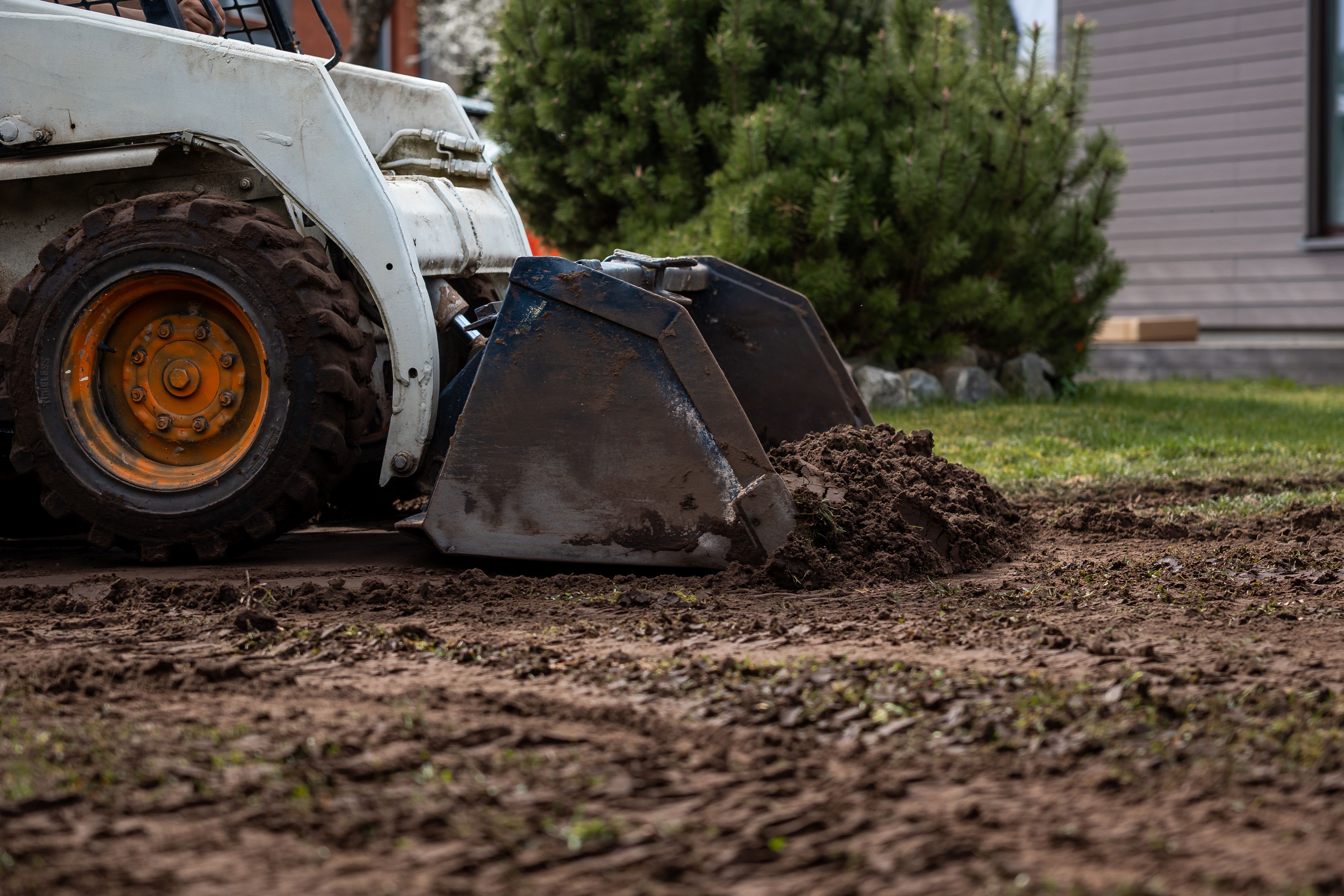
Excavation is the process of removing soil and rock to create space for foundations, basements, or other underground structures. It is a critical step that requires precision and expertise to avoid complications such as soil erosion or structural instability.
Types of Excavation
There are several types of excavation, each suited to different project needs:
- Topsoil Excavation: Removing the uppermost soil layer to prepare for construction.
- Rock Excavation: Breaking and removing rock layers, often requiring specialized equipment.
- Muck Excavation: Clearing away waterlogged or undesirable soil.
Regulations and Safety
In the UK, groundworks and excavation must adhere to strict regulations to ensure safety and environmental protection. These regulations cover aspects such as waste disposal, worker safety, and land restoration. Non-compliance can lead to legal consequences and project delays.

Best Practices for Safety
To maintain safety during groundworks and excavation, consider the following best practices:
- Conduct thorough site assessments before commencing work.
- Ensure all workers have appropriate training and safety equipment.
- Regularly inspect machinery and tools to prevent accidents.
Choosing the Right Contractor
Selecting a reliable contractor is essential for successful groundworks and excavation. Look for experienced professionals with a proven track record, proper licensing, and adherence to safety standards. A good contractor will provide detailed plans and transparent communication throughout the project.
In conclusion, understanding the essentials of groundworks and excavation can significantly impact the success of your construction project in the UK. By prioritizing safety, compliance, and expertise, you can lay the foundation for a robust and enduring structure.