
The Importance of Eco-Friendly Groundworks in Urban Development

Understanding Eco-Friendly Groundworks
Urban development has rapidly transformed cities worldwide, leading to increased infrastructure and population density. As cities grow, the importance of implementing sustainable practices in construction becomes paramount. Eco-friendly groundworks play a crucial role in minimizing the environmental impact of urbanization. These practices involve using materials and methods that reduce waste and preserve natural resources.
By focusing on sustainability from the ground up, developers can ensure that new structures are not only efficient but also environmentally responsible. This approach helps in maintaining ecological balance and contributes to the overall health of urban ecosystems.

The Benefits of Sustainable Groundwork Practices
Adopting eco-friendly groundworks offers numerous benefits. Firstly, it significantly reduces the carbon footprint associated with construction activities. By utilizing recycled materials and energy-efficient machinery, developers can cut down emissions and promote cleaner air quality.
Secondly, sustainable groundworks enhance the durability and longevity of structures. Using materials that withstand environmental stressors ensures that buildings require less maintenance and have a longer lifespan, which is both economically and environmentally advantageous.
Key Practices in Eco-Friendly Groundworks
There are several practices that define eco-friendly groundworks. One of the most impactful is the use of permeable surfaces in construction. These surfaces allow rainwater to filter through, reducing runoff and preventing urban flooding.
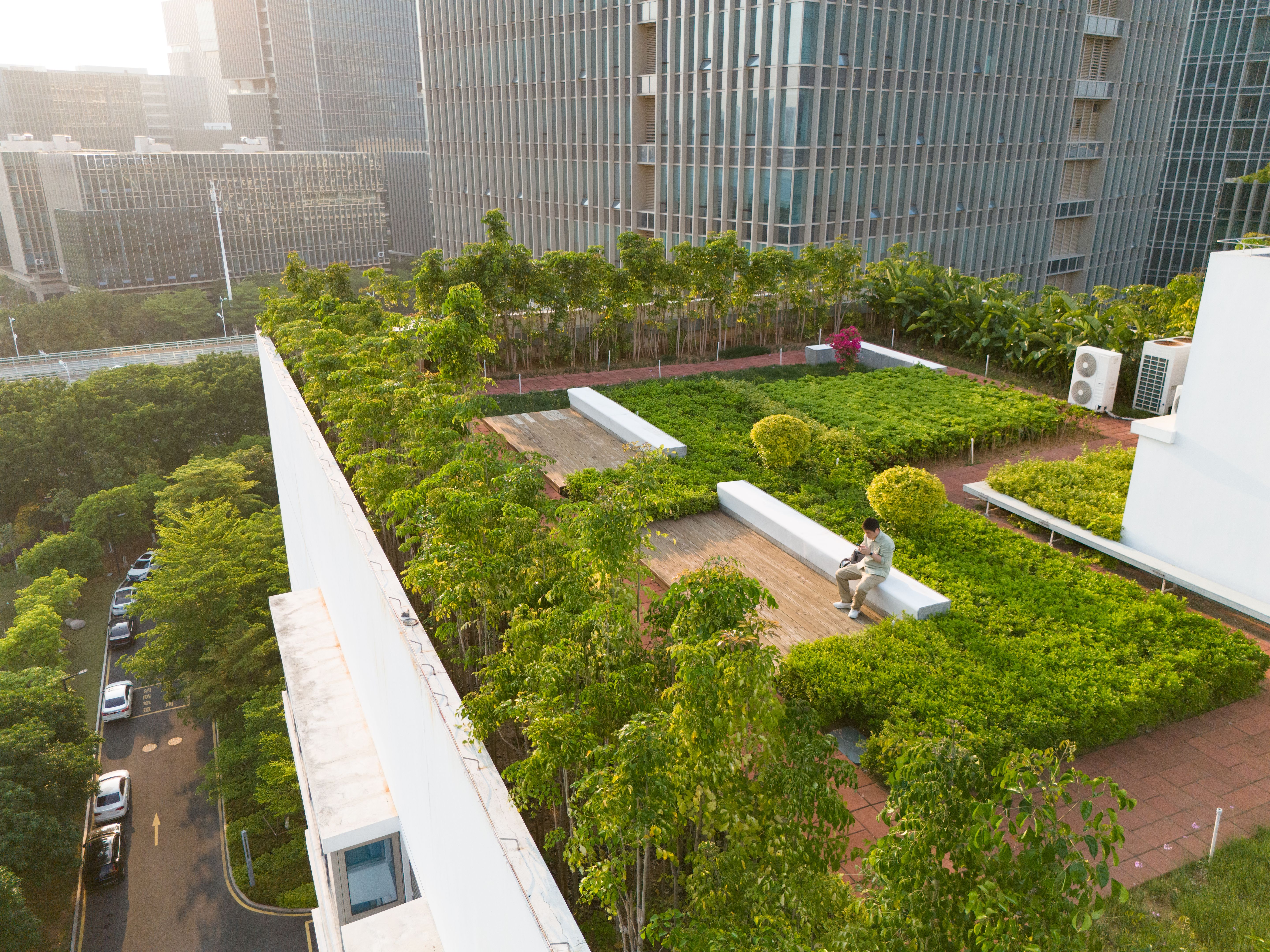
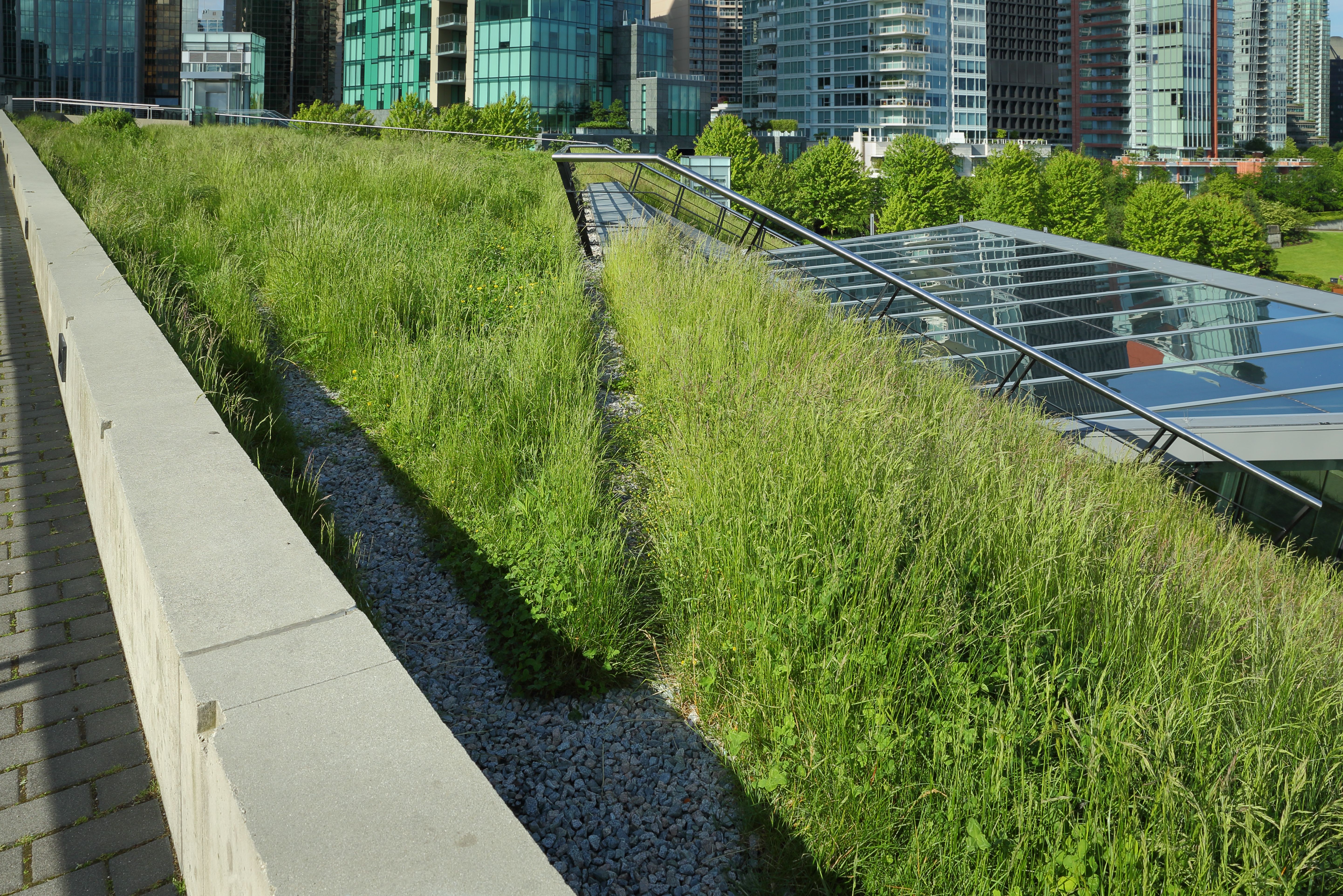
Another important practice is the integration of green spaces within urban designs. Green roofs and walls not only enhance the aesthetic appeal of a building but also improve air quality and provide insulation, reducing energy consumption.
Challenges and Solutions
While the benefits of eco-friendly groundworks are clear, implementing these practices can pose challenges. Initial costs may be higher due to the use of specialized materials and technologies. However, long-term savings in energy and maintenance costs often offset these expenses.
Another challenge is the need for skilled labor and expertise in sustainable construction techniques. Investing in education and training programs can equip the workforce with the necessary skills to overcome these barriers and promote widespread adoption of eco-friendly practices.

The Role of Policy and Regulation
Government policies and regulations play a significant role in encouraging sustainable groundworks. By setting standards and providing incentives, authorities can drive the adoption of eco-friendly practices in urban development.
Legislation that mandates the use of renewable resources and limits waste production can significantly influence the construction industry. Additionally, providing tax breaks or grants for projects that prioritize sustainability can further motivate developers to embrace eco-friendly groundworks.

The Future of Urban Development
The future of urban development lies in the seamless integration of sustainability into every aspect of construction. As awareness of environmental issues grows, the demand for eco-friendly buildings will continue to rise.
By prioritizing eco-friendly groundworks, cities can build resilient infrastructure that supports both human and environmental health. This not only benefits current residents but also ensures a sustainable future for generations to come.