
Seasonal Preparation: How Groundworks Change with UK Weather


Understanding Seasonal Groundwork Changes
The UK weather is famously unpredictable, and this variability significantly impacts the way groundworks are managed throughout the year. As seasons change, so do the demands and challenges faced by construction and groundwork professionals. Understanding these changes is crucial for efficient project planning and execution.
Groundwork, the essential preparatory work for any construction project, must adapt to the seasonal shifts in temperature, precipitation, and daylight. The key to successful groundwork lies in anticipating these changes and preparing accordingly.
Spring: Preparing for Growth
Spring brings a mix of warmth and rain, which can both help and hinder groundwork activities. The thawing of frozen ground from winter allows for easier excavation and foundation work. However, increased rainfall can lead to muddy conditions, requiring careful drainage planning to prevent waterlogging and delays.
During spring, it's important to focus on soil stabilization and erosion control. The combination of wet conditions and new growth can lead to soil movement, affecting the stability of foundations. Groundwork teams often employ tactics such as silt fencing and vegetation planting to mitigate these risks.
Summer: Maximizing Productivity
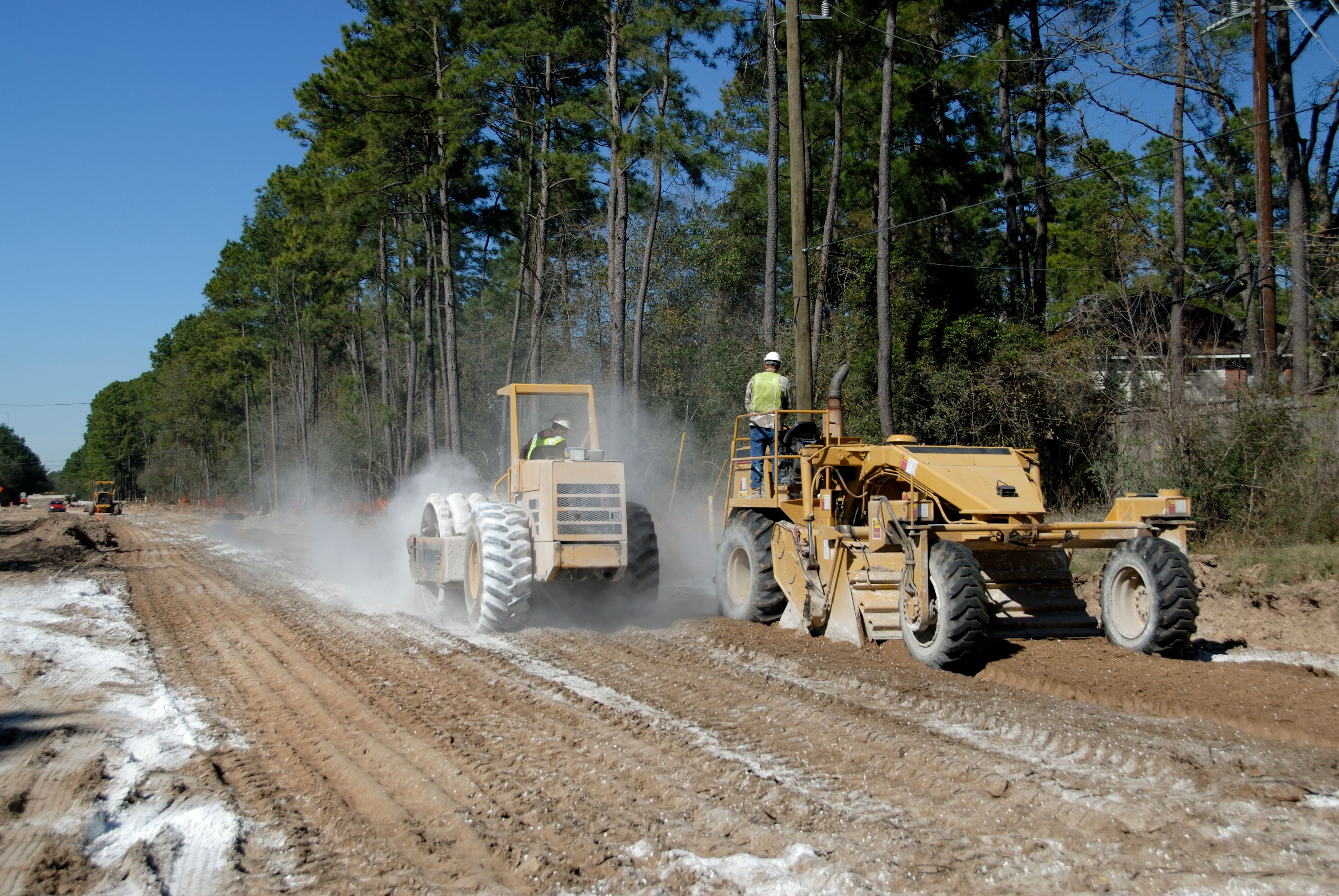
Summer typically offers the most favorable conditions for groundwork, with longer daylight hours and generally drier weather. This period is ideal for undertaking significant excavation and foundation projects. The dry conditions allow for better traction and less disruption from weather-related delays.
However, it's crucial to consider the impact of heat on both materials and workers. High temperatures can cause certain materials to set too quickly, while workers may require additional breaks and hydration to maintain safety and productivity.

Autumn: Preparing for the Cold
As autumn arrives, the focus shifts to preparing for the colder, wetter months ahead. This season requires a strategic approach to groundwork, emphasizing the importance of drainage and weatherproofing. Rainfall increases, and the ground becomes more challenging to work with, making drainage systems vital to prevent water accumulation.
Autumn is also the time to ensure that all groundwork is robust enough to withstand the upcoming winter freeze. This might involve reinforcing structures and ensuring that any temporary works are sufficiently protected against the elements.

Winter: Overcoming Challenges
Winter presents the most challenging conditions for groundwork in the UK. Freezing temperatures can halt excavation and make the ground too hard to work with. Snow and ice add additional complexities, causing delays and safety hazards.
To tackle these challenges, groundwork teams must be proactive in their planning. This includes scheduling critical tasks for milder days and using ground heaters or blankets to keep the soil workable. Safety measures are paramount, ensuring that all equipment and personnel are prepared for the harsh conditions.
Conclusion: Adapting to Seasonal Changes
Successful groundwork in the UK requires a flexible and responsive approach to the changing seasons. By understanding the specific challenges presented by each season, groundwork professionals can plan effectively, ensuring projects are completed on time and to a high standard.
Through strategic preparation and adaptation, the impact of the UK's varied weather can be mitigated, allowing for continuous progress and the successful completion of construction projects year-round.