
Myth-Busting: Common Misconceptions About Groundworks

Introduction to Groundworks
Groundworks are a crucial aspect of any construction project, yet they are often misunderstood. From preparing the land to laying the foundation, these tasks are essential for the stability and longevity of a structure. Let's dive into some common misconceptions about groundworks and set the record straight.

Myth 1: Groundworks Are Just Digging Holes
One prevalent myth is that groundworks simply involve digging holes. In reality, this process is much more complex and involves several stages. It includes site assessment, clearing, excavation, and more, each requiring specialized skills and equipment.
Site Assessment
Before any digging begins, a thorough site assessment is necessary. This step involves evaluating the soil type, checking for underground utilities, and ensuring environmental compliance. These factors determine the approach to excavation and foundation laying.

Myth 2: Any Contractor Can Perform Groundworks
Another common misconception is that any contractor can handle groundworks. However, this task requires specific expertise and equipment. Hiring a specialist ensures that the ground is prepared correctly and safely for construction.
The Importance of Expertise
Professional groundwork contractors have the knowledge and experience to manage unexpected challenges, such as dealing with unstable soil or water table issues. Their expertise ensures that the foundation is robust, reducing the risk of future structural problems.
Myth 3: Groundworks Are Unimportant in Construction
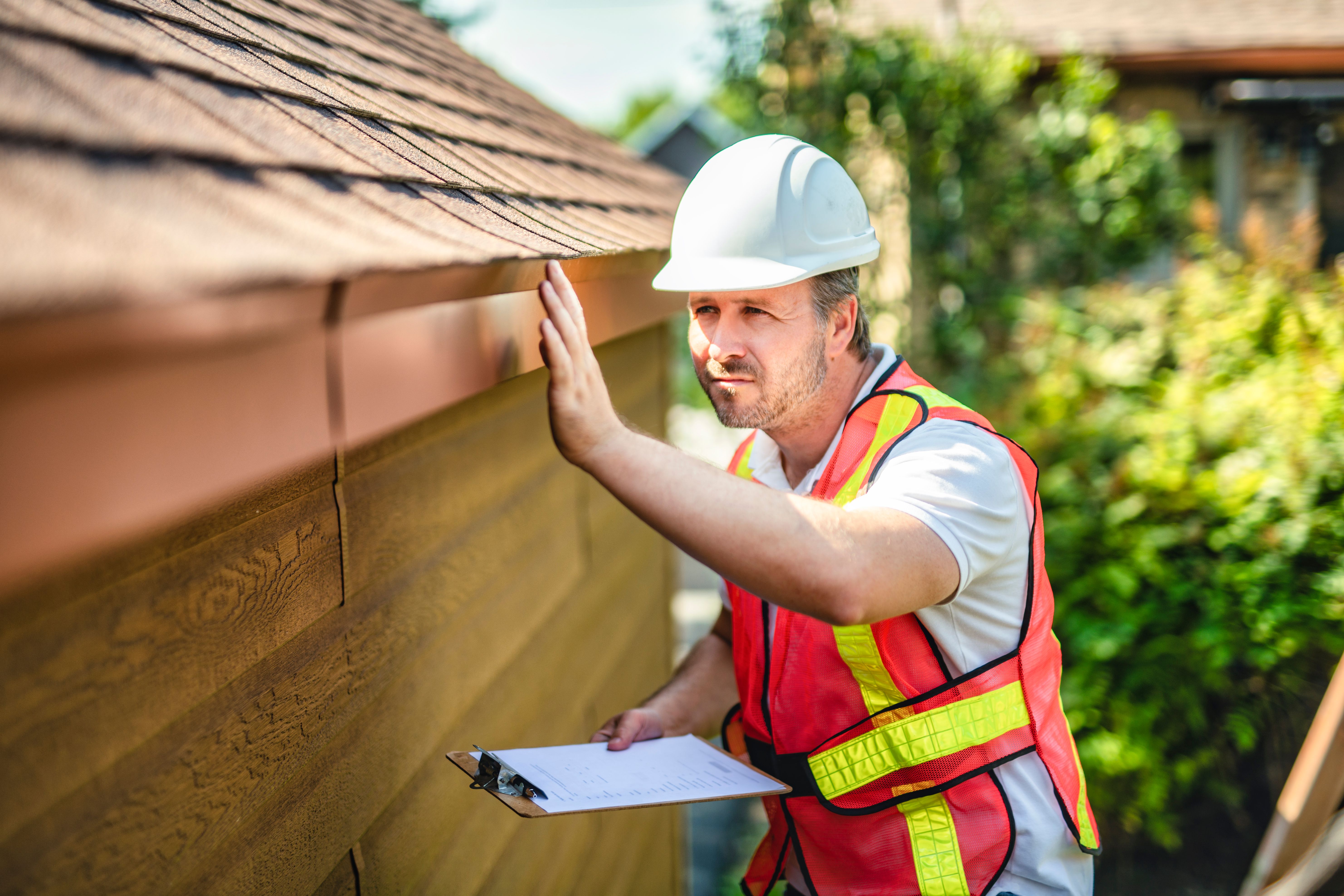
Some believe that groundworks are a minor part of construction, but this couldn’t be further from the truth. The quality of groundworks directly affects the integrity and durability of the entire structure.
Foundation of Stability
A well-laid foundation prevents issues like settling or cracking in the building. Proper groundworks ensure that the structure can withstand environmental factors such as heavy rains or seismic activity.
Myth 4: Groundworks Are Expensive and Unnecessary
Many assume that groundworks are an unnecessary expense. However, cutting corners in this phase can lead to costly repairs down the line. Investing in quality groundworks saves money by preventing structural failures.
Long-term Benefits
Quality groundworks extend the life of a building. They provide a stable base, reduce maintenance costs, and enhance property value. It's an investment in the future stability and safety of the structure.
Conclusion
Understanding the importance of groundworks is crucial for anyone involved in construction. By dispelling these myths, we can appreciate the skill and precision required in this essential phase of building. Proper groundworks lay the foundation for success, ensuring safety, stability, and longevity for any structure.