
How to Prepare Your Site for Excavation: A Step-by-Step Guide

Understanding the Importance of Site Preparation
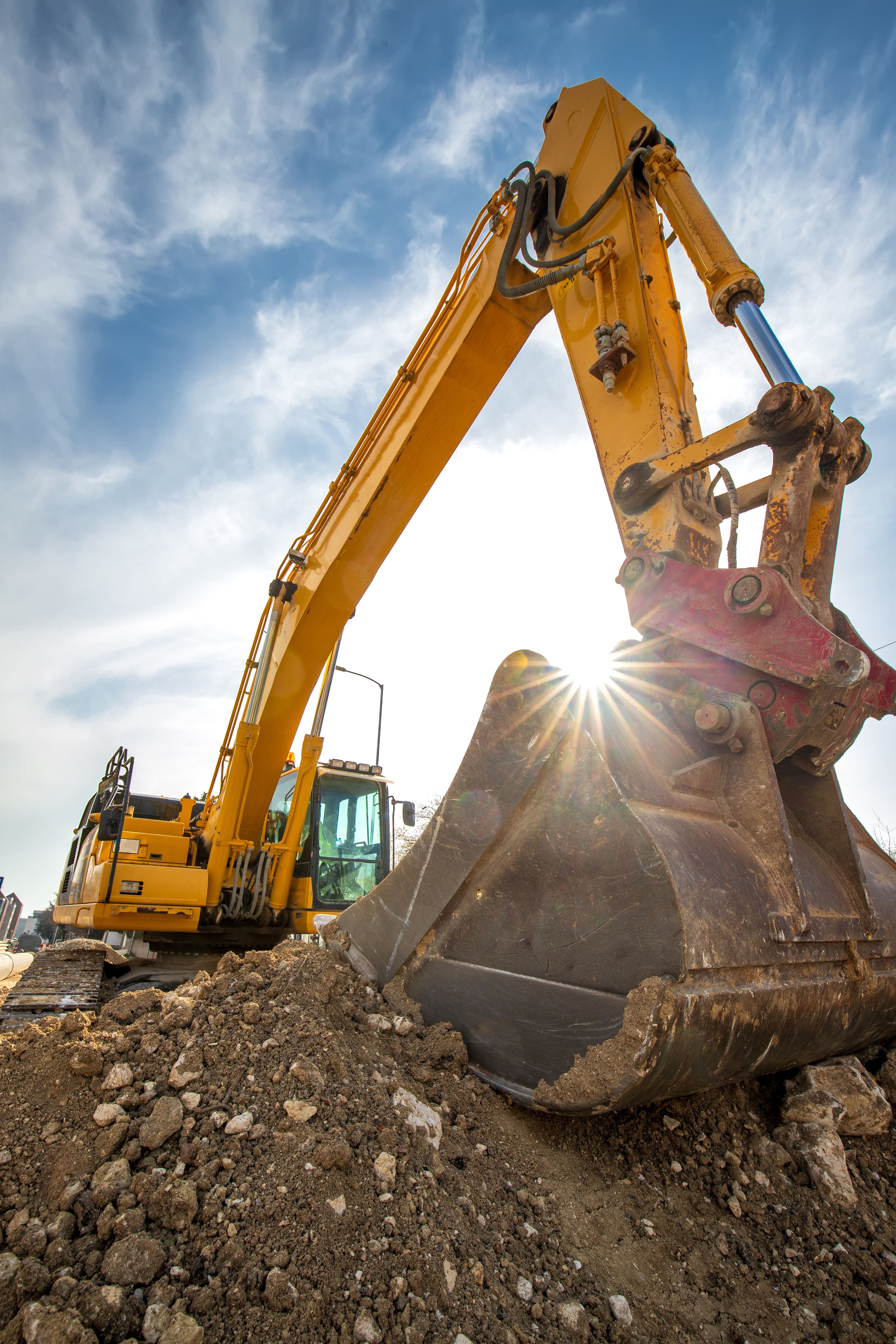
Preparing your site for excavation is a crucial step in ensuring a successful project. Proper preparation minimizes risks and streamlines the process. Whether you're planning a small garden project or a large construction, understanding the steps involved can save time and money.
Conducting a Site Survey
The first step in preparing your site is conducting a thorough survey. This involves assessing the land's topography, identifying existing structures, and understanding soil conditions. Hiring a professional surveyor can provide accurate measurements and insights that are critical for planning.
Identifying Underground Utilities
Before excavation, it is essential to locate any underground utilities. Contact your local utility companies to mark the locations of gas lines, water pipes, and electrical cables. This step prevents potential hazards and costly damages.

Obtaining Necessary Permits
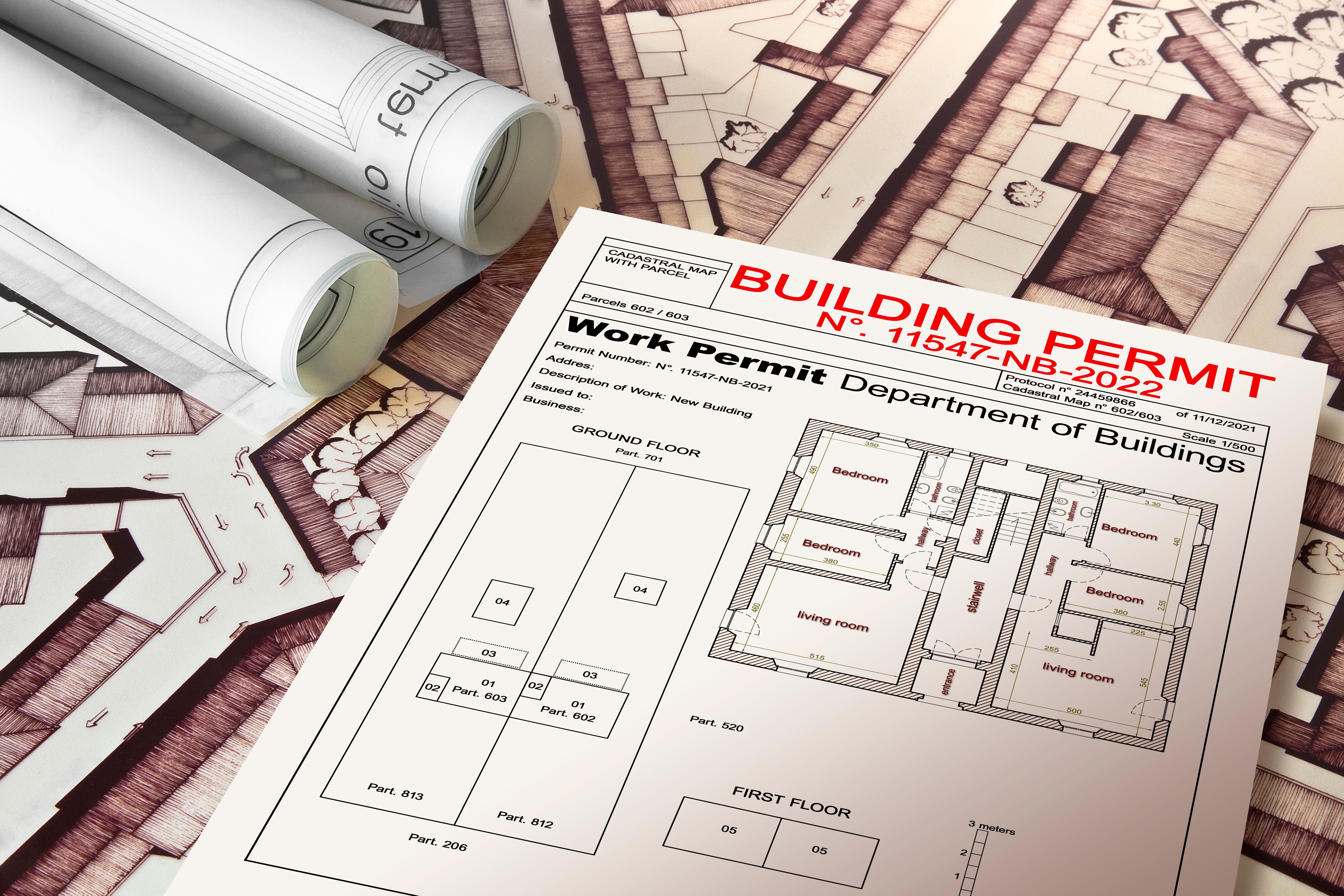
Excavation projects often require permits from local authorities. Check with your city or county to determine what permits are needed for your specific project. Failing to secure the proper permits can lead to legal issues and project delays.
Understanding Local Regulations
Each area has unique regulations regarding excavation. Familiarize yourself with these rules to ensure compliance. Regulations may cover aspects such as noise levels, working hours, and environmental protections.
Preparing the Site
Once permits are secured, it's time to prepare the site. This involves clearing vegetation, removing debris, and grading the land. Ensure that the site is accessible for heavy machinery and that there is room for material storage.
Setting Up Safety Measures
Safety should be a top priority. Install barriers and warning signs to protect workers and the public. Ensure all personnel are equipped with proper safety gear and trained in emergency procedures.

Choosing the Right Equipment
The success of your excavation project depends on selecting the appropriate equipment. Consider the scale of the project and the type of soil when choosing machinery. Consulting with an expert can help you make informed decisions.
Monitoring Progress
Throughout the excavation, monitor the progress closely. Regular inspections ensure that the project stays on track and that any issues are addressed promptly. Keeping a detailed log can help with future planning and accountability.
By following these steps, you can ensure a smooth and efficient excavation process. Proper preparation not only enhances safety but also contributes to the overall success of your project.