
Eco-Friendly Groundworks Practices: Innovative Techniques in the UK

Introduction to Eco-Friendly Groundworks
The construction industry in the UK is increasingly embracing eco-friendly practices, particularly in groundworks. With a focus on sustainability and environmental responsibility, innovative techniques are reshaping how projects are executed. These practices not only minimize environmental impact but also enhance efficiency and reduce costs.

Sustainable Materials
One of the key ways to promote eco-friendly groundworks is through the use of sustainable materials. Recycled aggregates, for instance, are becoming more popular. They are derived from crushed concrete or bricks and can replace traditional gravel in foundations and sub-bases.
Additionally, materials like bamboo and recycled plastic are being explored for their durability and minimal environmental impact. These materials help reduce the carbon footprint and support the circular economy.
Innovative Technologies
Technology plays a significant role in advancing eco-friendly groundworks. Techniques such as 3D modeling and Building Information Modeling (BIM) allow for precise planning and material optimization. This reduces waste and ensures that resources are used efficiently.

Moreover, the use of electric and hybrid machinery is gaining traction. These machines reduce emissions and noise pollution, contributing to a cleaner and quieter construction site.
Water Management Techniques
Proper water management is crucial in eco-friendly groundworks. Techniques such as sustainable drainage systems (SuDS) and rainwater harvesting help manage water efficiently. SuDS, for instance, mimic natural water processes to reduce flooding and improve water quality.
Rainwater harvesting systems collect and store rainwater for use in construction processes, reducing reliance on mains water and conserving resources.
Soil Preservation Practices
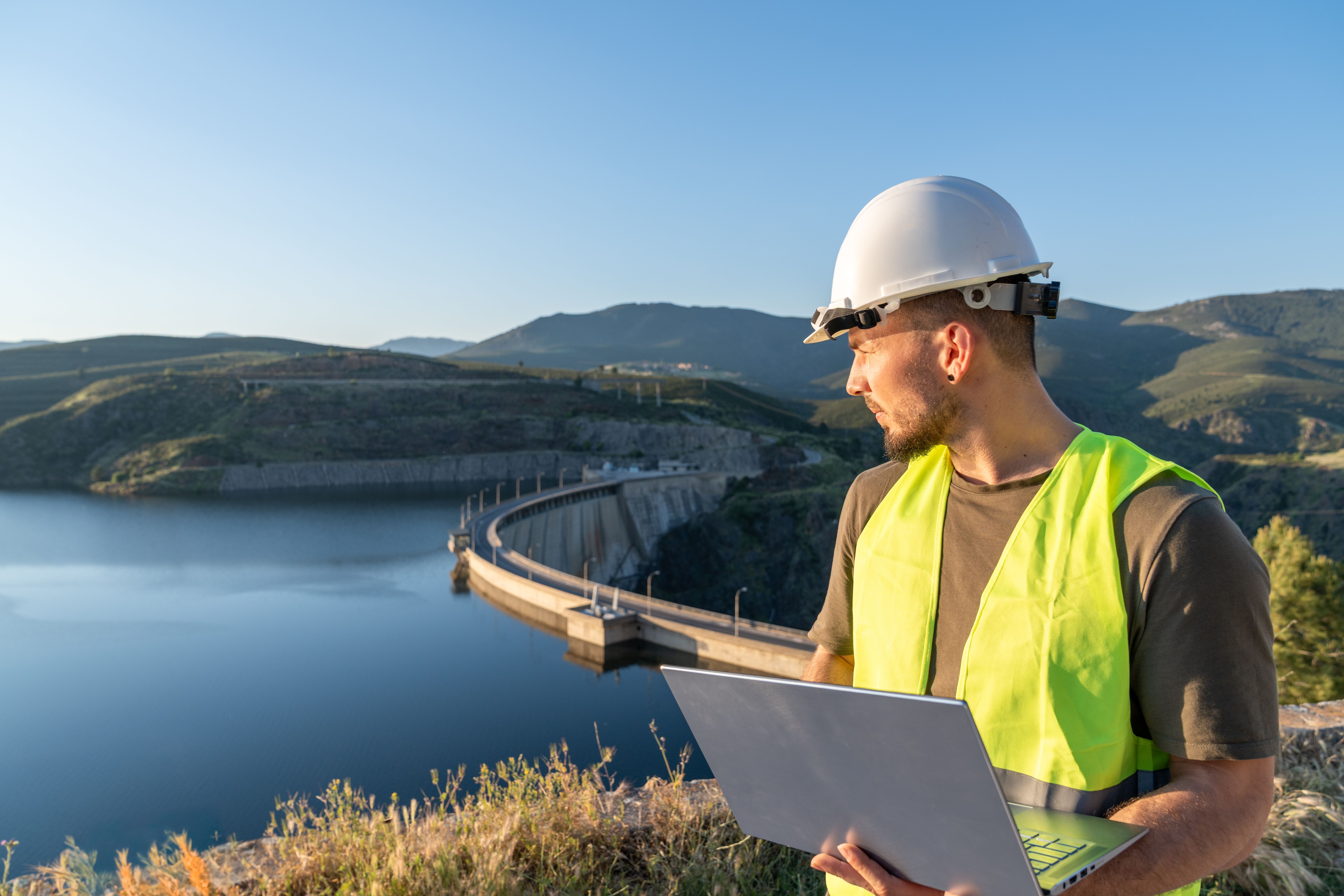
Preserving soil integrity is essential for sustainable groundworks. Techniques such as topsoil conservation and controlled excavation minimize soil disruption. By preserving topsoil, future growth and biodiversity are supported, enhancing the overall environmental health of the area.
In addition, using soil stabilizers can strengthen ground conditions while reducing the need for extensive excavation, thus maintaining the land's natural state.
Renewable Energy Integration
Integrating renewable energy sources into construction sites is another step towards eco-friendliness. Solar panels and wind turbines can provide clean energy for on-site operations, reducing dependency on fossil fuels.
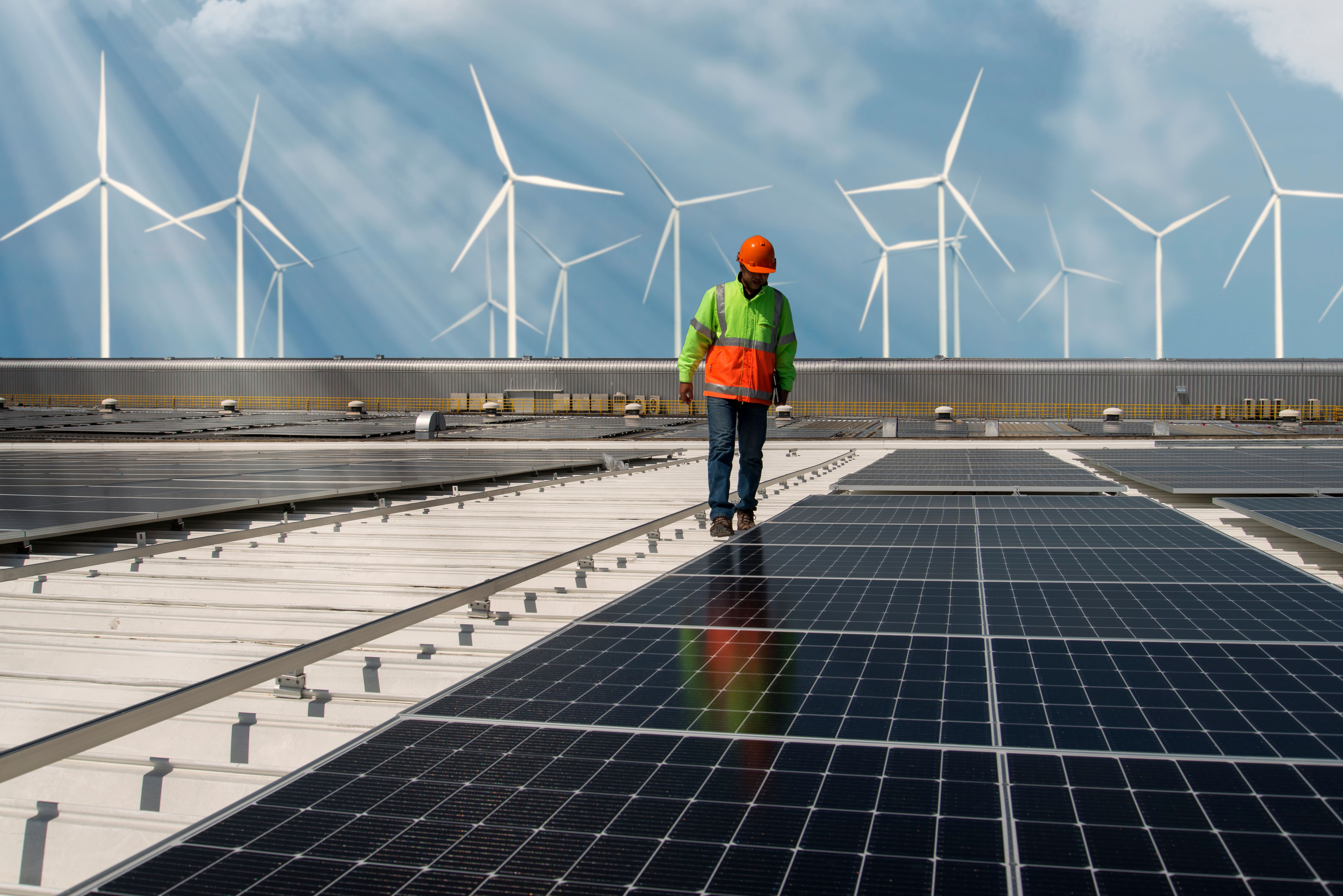
These renewable sources not only cut down on emissions but also offer long-term cost savings, making them an attractive option for sustainable projects.
Community and Environmental Benefits
Adopting eco-friendly groundworks practices benefits not only the environment but also local communities. Projects that prioritize sustainability often face fewer regulatory hurdles and enjoy enhanced public support.
By focusing on green construction methods, the UK can lead the way in creating a more sustainable and environmentally friendly future for the construction industry.