
Eco-Friendly Groundworks Practices: Building a Sustainable Future


Understanding Eco-Friendly Groundworks
As environmental concerns continue to rise, the demand for sustainable construction practices has never been higher. Eco-friendly groundworks are at the forefront of this movement, emphasizing environmentally responsible techniques in the initial phases of construction. By integrating sustainable methods from the ground up, we can significantly reduce the environmental footprint of new developments.
Eco-friendly groundworks involve minimizing waste, reducing emissions, and preserving natural habitats. This holistic approach ensures that every phase of construction, from planning to execution, aligns with environmental sustainability goals. By prioritizing these practices, developers can create more resilient and sustainable communities.
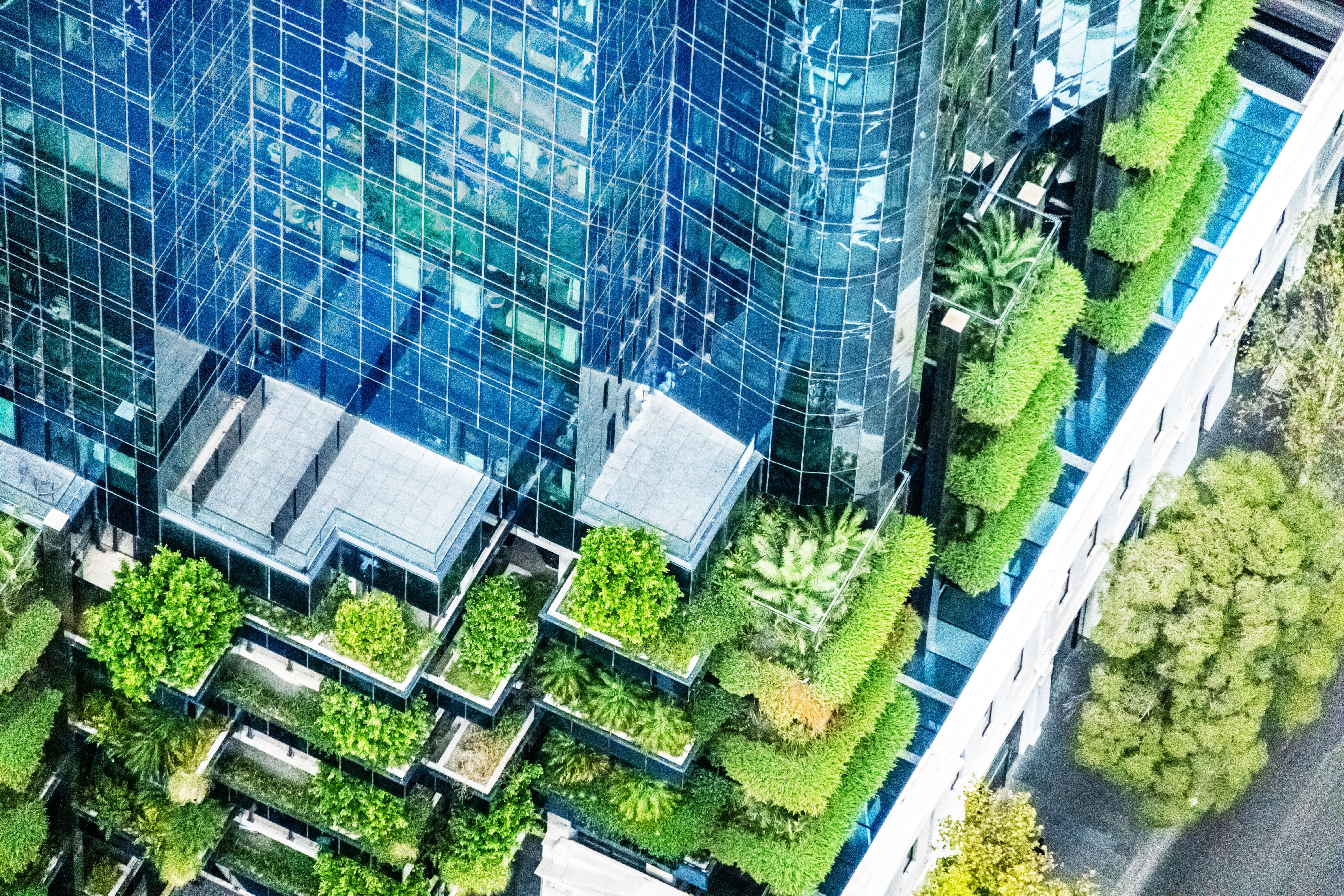
Key Techniques in Sustainable Groundworks
Soil Stabilization and Erosion Control
One of the primary concerns in groundworks is soil stability. By using natural and recycled materials, such as geotextiles and mulch, we can enhance soil stabilization. These materials not only prevent erosion but also promote water retention, which is crucial for maintaining the local ecosystem.
Efficient Water Management
Water is a critical resource in construction, and managing its use efficiently is essential. Implementing rainwater harvesting systems and designing landscapes that support natural water flow can drastically reduce water wastage. These practices also help in maintaining the natural water cycle and preventing flooding.

Benefits of Eco-Friendly Groundworks
Adopting sustainable groundworks practices offers numerous benefits, both environmentally and economically. By reducing resource consumption, these practices lead to cost savings, which can be significant over the lifespan of a project. Furthermore, eco-friendly practices often result in healthier living environments, enhancing the well-being of future occupants.
Beyond immediate benefits, eco-friendly groundworks contribute to long-term sustainability. They help in reducing carbon footprints and promoting biodiversity, which are essential for combating climate change. By investing in sustainable practices now, we are building a foundation for a more resilient future.
Challenges and Solutions
While the benefits are clear, implementing eco-friendly groundworks can pose certain challenges. These include higher initial costs and the need for specialized knowledge. However, these obstacles can be overcome with proper planning and investment in technology and training.
To address these challenges, collaboration among stakeholders is crucial. By working together, developers, architects, and engineers can create innovative solutions that balance cost and sustainability. Governments and institutions can also play a pivotal role by providing incentives and support for green construction practices.
Conclusion
Eco-friendly groundworks are an essential component of sustainable construction. By adopting these practices, we can create buildings and communities that are not only environmentally responsible but also economically viable. As we move forward, embracing sustainable groundworks will be key to building a better, more sustainable future for all.